The sun rises every morningTo sendWe are given the free gift of inexhaustible energy. This raises questions like: How do we convert this bright light into electricity to power our homes?And it occupiesFactories? Imagine if a simple solar beam could power entire cities. The secret lies not in the sun itself, but in smart devices designed to decode this light and convert it into energy. These devices are known as "components of solar energy." These components are like an engineering orchestra, each part playing a distinct note to create the melody of renewable energy. In this article, we'll learn some important information, such as how solar panels work and the types of solar energy systems.

What are solar panels?
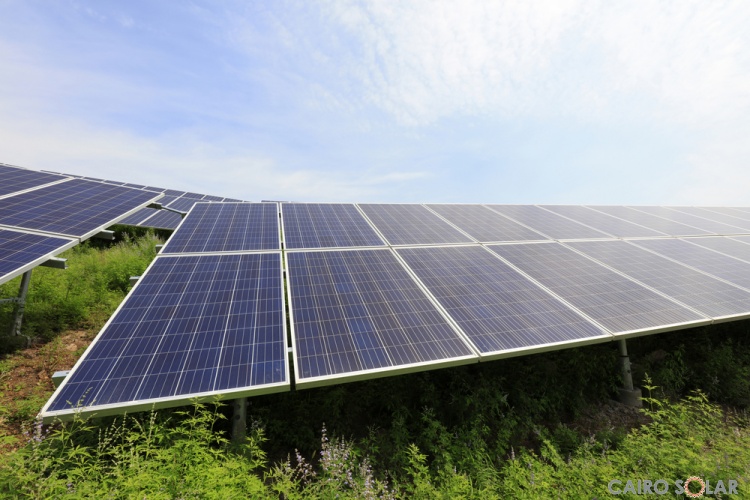
Solar panels, also known as photovoltaic modules, are the core component of solar energy systems. Their primary function is to convert sunlight into electricity that can be used in homes, factories, or even power satellites. Solar panels consist of several photovoltaic cells connected together, usually surrounded by a protective layer. These cells are primarily made of silicon, a semiconductor material that reacts with sunlight. The panels are covered with a layer of glass to protect the cells from external elements.
Solar panels operate when sunlight falls on them. This activates the electrons within the cells, generating a direct current (DC) electric current. This current is often converted to alternating current (AC) using an inverter, making it suitable for use in homes and electrical grids.
Basic components of solar energy
The basic components of solar panels are the elements that make up the panels and help them efficiently absorb sunlight and convert it into electrical energy. Here's a detailed look at the components of solar energy:
- Photovoltaic solar cells: The basic component of panels, they are often made of silicon. These cells absorb sunlight and release electrons, generating a direct current (DC). These cells are arranged in rows and columns within the panel.To formMatrix.
- Front glass: known as (Tempered Glass) is used to cover the surface of the panels. Its purpose is to protect the solar cells from changing weather factors such as dust and moisture, while at the same time allowing sunlight to pass through. This glass is characterized by:reinforcedAny heat treated to withstand shock.
- Aluminum frame: A solar component that provides structural support.for the platesAnd protects it from damage. Aluminum is lightweight and corrosion-resistant.
- Encapsulant: Used to protect cells from moisture and shock. They are usually made of materials such as:EthyleneVinyl Acetate (EVA) and Fluoridepolyvinyl(PVF), this layer is located between the cells and the glass from above, and between the cells and the back layer from below. Its main function is to maintain the stability of the solar cells and protect them from moisture and heat.
- Junction box: This box contains a set of electrical wires that connect the cells together, as well as special diodes that prevent the reverse flow of electrical current. These connections are often made of copper or silver and are covered with a corrosion-resistant coating.
- Inverter: Also known as (Inverter) or solar power inverter, is a solar power component that converts direct current (DC) electrical current generated by the panels into alternating current (AC) that can be used to operate electrical appliances.
- Anti-reflective coating (ARC): Added to the surface of solar cells to improve sunlight absorption. This layer reduces light reflection, which increases the efficiency of solar cells in converting light into energy.
components of solar energy work together to ensure that solar panels are efficient at converting solar energy into usable electricity.
Types of solar panels
There are many types of solar panels, each with its own advantages and disadvantages that you should be aware of before choosing the right one for you. These types include:
- Monocrystalline solar panels
This type is suitable for homes with limited roof space and a need for optimal performance. These panels have a number of advantages, including being made from a single, pure silicon crystal. They also boast high efficiency, ranging from 18% to 22%, making them the most efficient among other types, and requiring less space.To generateSame power output, longer lifespan, excellent performance in small spaces or under low sunlight, and sleek, deep black exterior.
As for its most important disadvantages, it is that its cost is high compared to other types. The reason for the high cost is due to the complex manufacturing process.
- Polycrystalline panels
Suitable for people looking for good performance at a moderate cost. These panels are made of multiple crystals made of...siliconeThese crystals are stacked together. It's impossible to discuss the components of solar energy and polycrystalline panels without mentioning their most important advantages, which include: their high efficiency, ranging from 15% to 17%, their low cost compared to monocrystalline panels, and their distinctive blue color.
Its most common drawback is that it is less efficient and requires a larger area to produce the same amount of electricity.
- Thin-film panels
These panels are suitable for large surfaces, industrial projects, or areas with irregular lighting. They are made from lightweight materials such as cadmium telluride or amorphous silicon. They are flexible, light, and easy to install. They also have a uniform and elegant appearance and perform well in high temperatures or low light.
Its main disadvantages are that it is about 10% to 13% less efficient and has a shorter lifespan than the previous two types.
- Concentrated Photovoltaic (CPV) panels
These panels use lenses or mirrors to focus light onto small solar cells, increasing their efficiency. However, these systems require specific lighting conditions.
- Hybrid Solar Panels
It combines photovoltaic and thermal panel technologies, allowing solar energy to be converted into electricity and heat at the same time.
Each type of these panels has its own optimal uses, and choosing the right type depends on your specific needs, such as available space, budget, and efficiency requirements.

Learn more about: Uses of solar energy
How does a solar energy system work?
Solar energy components work in a smart yet simple way, converting sunlight into electricity that can be used to power household or industrial appliances. Here's a simple explanation.HowSolar energy works in simple steps:
- Solar panels capture sunlight: Solar panels contain cells made of silicon, which when exposed to sunlight generate direct current (DC) electricity.
- Converting current into usable electricity by inverter: The current produced by the panels is direct current (DC) which is not suitable for household appliances, so here it is doneInverterBy converting this current into alternating current (AC), which is the type used in electrical networks and homes.
- Electricity distribution: After converting the electrical current to alternating current, electricity is distributed directly to household appliances. The system can also be connected to the public electricity grid or stored in special batteries.
- Storing excess energy in batteries: In systems with solar batteries, excess electricity is stored for use at night or on cloudy days.
- System monitoring and management via a control unit or smart applications: Some systems include dedicated devices or applications to monitor panel performance, charge level, and electricity consumption.
In conclusion, using solar energy today has become a smart and effective option for providing clean and safe electricity. Understanding the basic components of solar energy can help you understand how it works and what you actually need to get started. If you're considering installing a solar energy system, we recommend contacting our company, .cairo solar It offers comprehensive services, from selecting the appropriate components to installation and technical support, all at high quality and competitive prices.
You may be interested in: What is Renewable Energy System