Imagine if someone told you there was an inexhaustible, pollution-free energy source that didn't need to be extracted or transported. All it needed was sunlight to get everything working. This isn't a science fiction novel; it's a reality the world is experiencing today with clean, Uses of solar energy
. This energy is no longer limited to powering lights or heating water, but has also expanded to desalinating water and charging phones. In this article, we'll step outside the traditional framework of solar energy uses.and wanderIn an amazing world of smart applications that prove that the sun no longer just lights our lives, but also powers them and shapes their future, we will also learn about the most important positives or benefits of solar energy.

the witness The Price of Solar Energy
The importance of Uses of solar energy
Solar energy is gaining increasing importance in light of environmental challenges.and economicThe world faces today. The importance of Uses of solar energy is evident in the following:
- Solar energy is one of the cleanest and most sustainable energy sources, relying on sunlight, a natural resource that is inexhaustible.
- The Uses of solar energy directly contributes to reducing emissions Carbon dioxide, which helps combat climate change and reduce air pollution, especially in large, crowded cities.
- Economically, solar energy offers individuals and businesses the opportunity to save long-term electricity costs, especially with the rising cost of conventional fuels.
- It is an effective solution used in remote areas not reached by government electricity grids, enabling residents to generate electricity locally without the need for complex infrastructure.
- In addition to the environmental and financial benefits, solar energy plays a significant role in supporting the national economy by creating new job opportunities in manufacturing, installation, maintenance, and engineering.
- It enhances the country's energy independence, reducing dependence on fuel imports and giving it greater flexibility in managing its resources.
- It can be used in almost all household activities. Therefore, it can be said that solar energy has many uses, including:
- Water heating: Solar energy is used to heat water in homes and commercial facilities.
- Electricity generation: A solar energy project can be used to generate electricity to meet daily energy needs.
- Powering electrical appliances: A variety of electrical appliances can be powered Uses of solar energy
- , including lighting, heating, and cooling.
Solar panel levels
Before we introduce you to the Uses of solar energy, here's a brief overview of solar panel levels. Solar panels are classified into several levels, or grades. Knowing these levels will help you choose the right system for you. Here's an overview of these levels:
Solar panels are classified according to quality.
- Tier 1: Includes strong companiesAnd the factoryThese panels have a strong reputation in the market and use advanced manufacturing techniques. These panels are typically more reliable and come with long-term warranties.
- Tier 2: Companies use less advanced manufacturing techniques and may be less robust than Tier 1. These panels are of higher quality with lower warranties.
- Tier 3: Companies at this level rely on assembling panels instead of manufacturing them. These panels are often less expensive but may suffer from quality and performance issues.
Solar panels classification by type
- Monocrystalline panelscrystallineIt has a high efficiency of 20% to 24%, making it ideal for limited spaces.
- Polycrystalline panels: Less efficient than monocrystalline panels, ranging from 15% to 18% efficiency, but they are often less expensive.
- Thin panels: They are lightweight and easy to install, but they are less efficient, ranging from 10% to 12%, making them suitable for certain applications.
Classification of panels according to production capacity
Solar panels range in power from 250 watts to over 600 watts, with output capacity depending on the panel type and operating conditions. Panels with higher power output are more efficient at generating energy.
According to performance and durability
Panels can also be divided into three categories based on durability and performance:
- Heat and moisture resistant panels: suitable for hot climates like Egypt.
- Long Warranty Panels (25 years): Usually refers toqualityHigh manufacturing.
- Half-Cut or PERC panels: Increase efficiency even in less than ideal conditions.
Solar energy in industries
Solar energy is a renewable resource that is playing an increasingly important role in various industries. Solar energy is used to generate electricity and heat, contributing to improved efficiency and reduced costs. Here's an overview of solar energy's uses in industries:
- Electricity generation: Solar panels are used in many factories to generate the electricity needed to operate machinery and equipment. This helps reduce reliance on the traditional electricity grid, which in turn leads to lower bills.
- Water heating: Solar energy is used to heat water in many industrial applications, such as food and beverage factories. Solar water heaters provide the energy needed for production processes, reducing operating costs.
- Industrial thermal processes: Solar energy is used to generate the heat needed for industrial processes such as metal processing, chemical production, and papermaking. This is achieved through solar thermal technologies that collect sunlight and convert it into heat for use in industrial processes.
- Agriculture and Irrigation Management: Solar energy helps operate irrigation systems in agriculture, contributing to improved productivity and reduced costs.To runWater pumps that contribute to crop irrigation.
- Improving sustainability and reducing emissions: Solar energy contributes to reducing the carbon footprint of industries, helping companies achieve their goals.SustainabilityUsing solar energy reduces dependence on fossil fuels, which emit toxic substances that affect environmental health.
- Applications in various industries: There are many industries that benefit from solar energy, including:
- Food industries: for heating water and operating production lines.
- Cement industry: to generate heat needed for production processes.
- Textile industry: to provide the energy needed to operate machines.

Know about Solar Energy In Agriculture
Advantages of using solar energy
Solar energy is a renewable resource that has many environmental benefits.and the economyThe most important of these positives are:
- renewable and unlimited resource
The sun is a perpetual energy source, so it can be used to generate energy sustainably without worrying about running out. This distinguishes it from fossil fuels, which can have limited production compared to solar energy.
- Environmental benefits
Solar energy contributes to reducing greenhouse gas emissions, which helps combat climate change, as it produces no harmful emissions during the energy generation process, making it an environmentally friendly option.
- Reducing electricity bills
Solar energy systems can help reduce your monthly electricity costs. By generating your own energy, you can reduce your reliance on the electrical grid, resulting in significant financial savings in the long run.
- Energy independence
Solar energy gives individuals and countries independence in energy production. Households that rely on solar energy may be less vulnerable.For interruptionElectric current, providing them with a reliable power source.
- Low maintenance costs
Solar energy systems require relatively little maintenance after installation. Solar panels only need periodic cleaning, which reduces operating costs.
- Enhance real estate value
Solar energy systems increase the value of the properties they are installed in, so they can be considered a good investment because many buyers prefer homes with solar energy systems because these homes are self-sufficient.
- Providing job opportunities
The solar energy industry contributes to creating new job opportunities for young people in various fields related to manufacturing, installation and maintenance, which enhances...EconomyLocal.
- Advanced technologies
Solar energy technologies are constantly evolving, making them more efficient and less expensive. This development contributes to increased reliance on solar energy as a primary source of energy in the future.
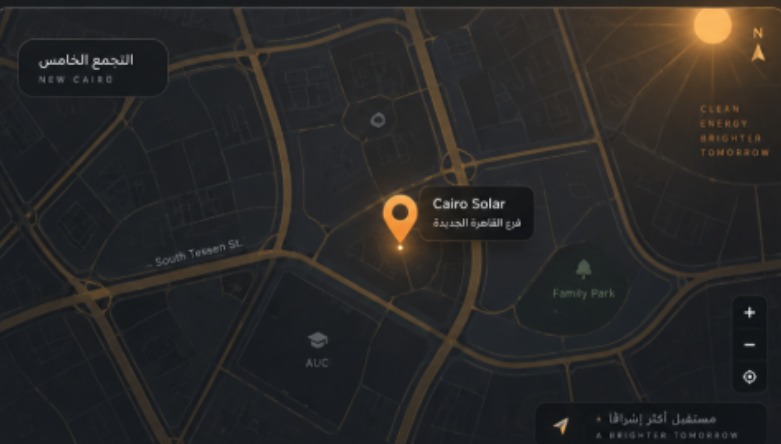
In conclusion, solar energy has many uses, including irrigation and powering factories and various appliances. Therefore, it works just like fossil fuels, which can assure you that its use is no less important than the energy generated by fossil fuels. Finally, if you still have some questions about the various uses of solar energy,We advise you By contacting us at Cairo Solar Via any of the following numbers (01014663000) or (01014664000).